
What Makes Certain Historical Buildings Withstand Centuries Without Modern Materials

Echoes in Stone: How Ancient Architects Outsmarted Time
I can’t tell you how many times I’ve stared at an old castle or a Roman aqueduct and just thought, “How in the world did they build that to last this long without concrete mixers and rebar?” It’s mind-boggling, really. These structures have seen empires rise and fall, weathered countless storms, and still stand as testaments to human ingenuity. They didn’t have the fancy stuff we do, yet their creations have endured for centuries, sometimes even millennia.
The secret weapon of these ancient builders wasn’t some magic formula; it was a deep understanding of natural materials and the forces they were working with. Take Roman concrete, for instance. It wasn’t just thrown together. They used volcanic ash, specifically pozzolana, which reacts with lime and water to create an incredibly durable, even self-healing, binder. Seriously, it’s like they invented an early version of waterproof concrete that got stronger over time when exposed to seawater. Think about the Pantheon in Rome; that dome is still the largest unreinforced concrete dome in the world, built nearly 2,000 years ago!
Then there’s the sheer genius of load-bearing walls and arches. Instead of relying on internal supports like we do with steel frames, ancient builders understood how to distribute weight efficiently. Thick, massive stone walls, like those found in medieval castles, could support incredible loads. The Romans perfected the arch, which is a brilliant structural element that channels downward force outwards and downwards, allowing them to span large openings and create stable structures. Their aqueducts, some still carrying water today, are a prime example of this mastery. It’s not just about stacking rocks; it’s about understanding the physics of compression.
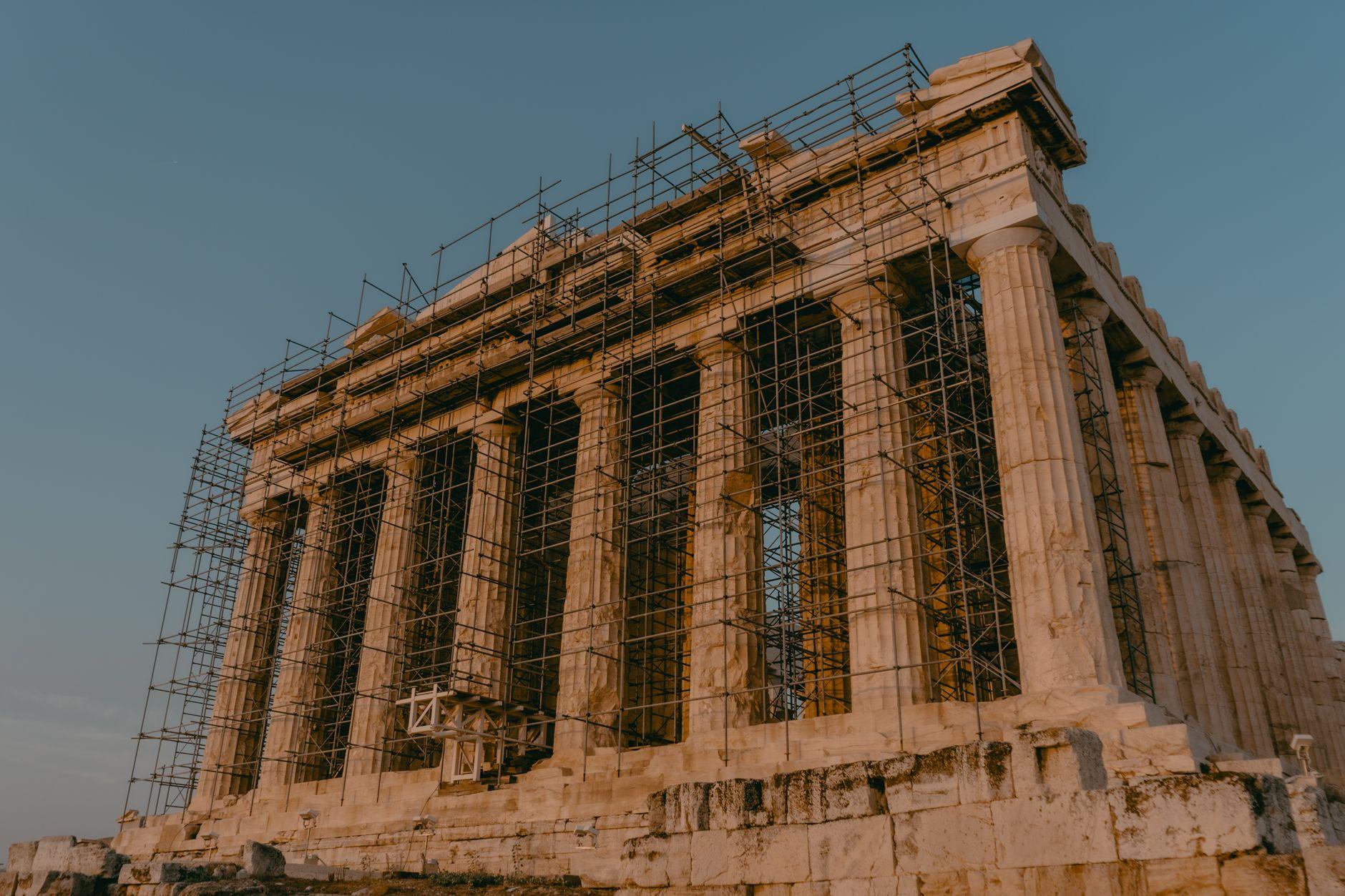
The way they chose their stone was also critical. They weren’t just grabbing any old rock. They favored durable stones like granite and limestone that could withstand weathering and erosion. They knew which stones would crack in freezing temperatures and which would hold up to the scorching sun. They also paid close attention to how the stones were cut and fitted. Precision stonework, like that seen in ancient Egyptian temples or Incan fortresses, created tight joints that prevented water ingress and structural weakness. It’s astounding when you consider the lack of power tools; much of this was done with hammers, chisels, and an incredible amount of manual labor and skill.
Now, don’t get me wrong, it wasn’t all sunshine and perfectly placed stones. The biggest criticism, or perhaps limitation, is that this ancient method was incredibly labor-intensive. Building something like the Colosseum would likely cost an astronomical sum in today’s terms if you were to replicate it with purely manual labor and traditional techniques. Imagine the sheer number of people and the decades it took! Also, the design flexibility was somewhat limited compared to modern construction; you couldn’t just whip up a skyscraper with a cantilevering balcony using only stone and timber.
I’ve always been a bit frustrated by how much we sometimes dismiss the ancient world as primitive. We look at their buildings and marvel, but we don’t always grasp the level of scientific understanding they possessed, even if it wasn’t codified in textbooks the way ours is. It’s a different kind of intelligence, deeply tied to observation and practical application. The way they used timber framing in older European buildings, for example, often involved complex joinery that allowed for a degree of flexibility, absorbing some of the stresses from wind and ground movement. These buildings often survived fires because the wood would char, creating an insulating layer that protected the inner core.
The incredible longevity of these structures also owes a lot to site selection and foundations. Ancient builders understood the importance of building on solid ground. They avoided areas prone to flooding or seismic activity, or they devised clever ways to mitigate those risks. The foundations for structures like Machu Picchu were integrated with the natural landscape, utilizing bedrock and sophisticated drainage systems to prevent erosion and ensure stability. They really knew how to work with the earth, not just on it.
But here’s a thought that always gets me: we spend so much time trying to make our modern buildings last forever with advanced materials, yet we often fail to consider the environmental cost of producing those materials. Maybe we should be looking back more often, not to copy, but to understand the principles of durability through simplicity and harmony with nature, even if it means accepting that buildings might eventually return to the earth from whence they came.