
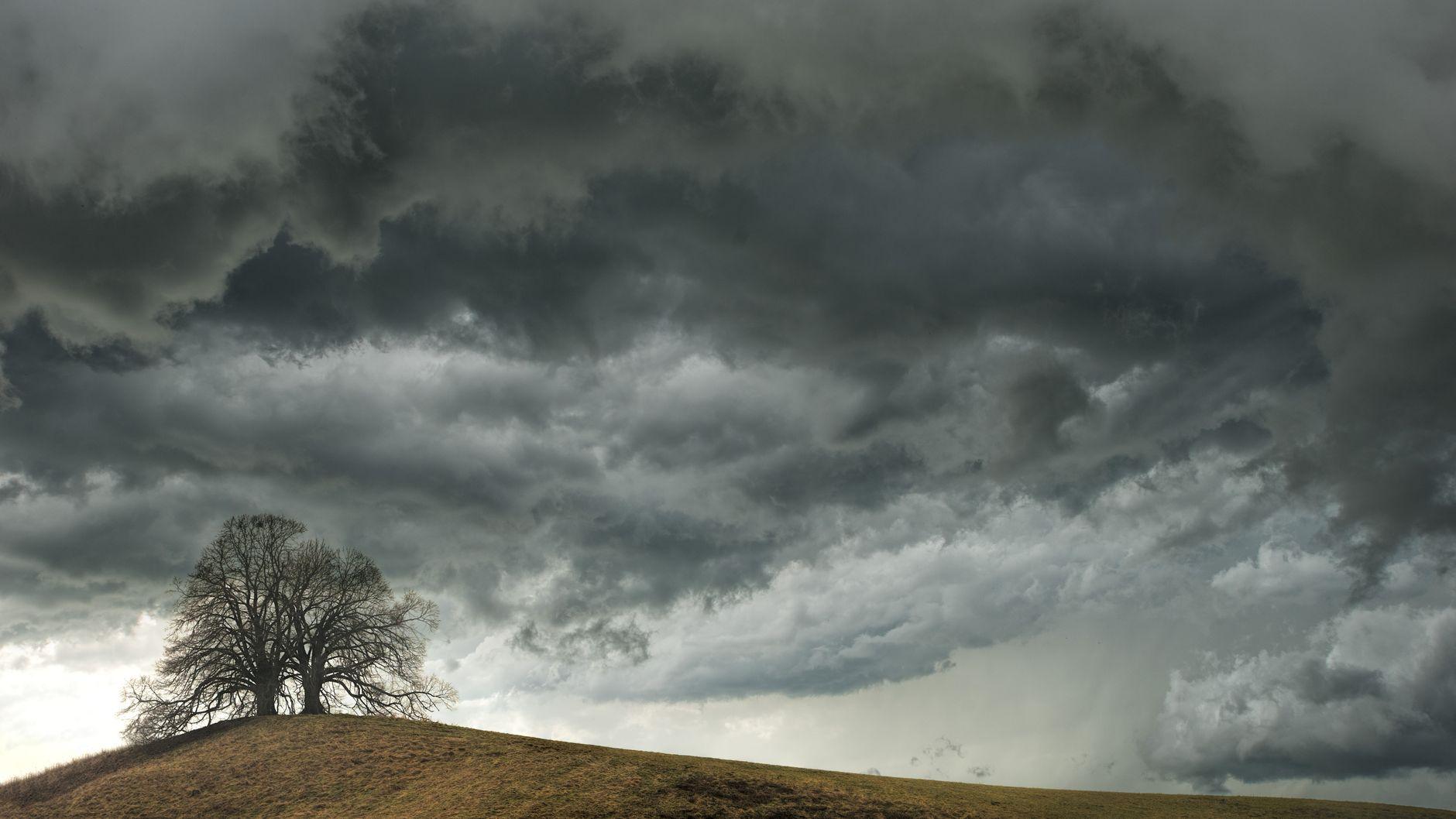

When Fido Predicts the Flurry: Unlocking Nature’s Barometers
My dog, Buster, is an absolute menace when it comes to thunderstorms. I swear, he starts whining and pacing a good hour before the first rumble of thunder even hits. It’s infuriating, honestly, because I’m usually caught completely off guard, scrambling to close windows. Why is it that our furry friends, and so many other creatures, seem to have this uncanny ability to know when the weather’s about to turn? It’s not magic; it’s all about their highly tuned senses that pick up on subtle cues we humans completely miss.
Think about barometric pressure. Humans feel it, sure, but we don’t register it as a weather change until it’s practically upon us. Animals, especially those with sensitive respiratory systems or bodies designed to react to changes in air density, can detect these shifts. A drop in barometric pressure, which often precedes storms, can cause discomfort. This is particularly true for animals with lungs similar to ours; imagine your own sinuses feeling ‘off’ before a big storm – it’s a similar, though often more pronounced, sensation for them. Some research suggests this pressure change can even affect the way sound travels, giving animals an auditory heads-up too.
And then there are the insects. Ever notice how ants become incredibly busy, almost frantic, right before it rains? They’re not just cleaning house; they’re often trying to secure their colonies against flooding. Their antennae are incredibly sensitive to even the slightest changes in humidity and atmospheric pressure, allowing them to sense an approaching downpour long before we see a single cloud. This sensitivity is crucial for their survival, ensuring they can take protective measures.
It’s honestly baffling how much we overlook. Take birds, for instance. Many bird species are known to fly lower or seek shelter when barometric pressure drops. It’s a survival instinct honed over millennia. They can feel the atmospheric changes that signal impending storms, and it’s a behavior pattern that’s been observed consistently, making them excellent natural indicators of bad weather. I’ve seen flocks of birds suddenly change direction or dive for cover, and sure enough, a storm rolls in within the next hour or two.
Don’t even get me started on fish. Anglers have known for ages that fish behavior changes dramatically before a storm. They often become more active or, conversely, go deeper, depending on the species and the predicted weather event. This is largely due to changes in water pressure and dissolved oxygen levels that accompany shifts in atmospheric conditions. Fish can sense these subtle alterations in their aquatic environment, giving them advance notice of what’s coming. It’s a testament to how interconnected everything is in nature.
Now, here’s where it gets a little frustrating: for all their amazing abilities, animals aren’t always right. Sometimes a storm just fizzles out, and the animals have been worked up for nothing. This can be a real downside for humans trying to rely solely on animal behavior. Imagine making significant preparations or changes based on an animal’s perceived warning, only for the weather to hold. It can lead to unnecessary worry or even misplaced effort, and honestly, it makes you question just how reliable these biological forecasts really are on a consistent basis.
Furthermore, electrical charges in the atmosphere can play a significant role. Many animals, especially those with fur or feathers, can sense the buildup of static electricity that often precedes a lightning strike. This electrical sensitivity is thought to be a major factor in why animals like cows might bunch together or lie down before a storm. They’re essentially feeling the electrical charge in the air, a sensation that humans are largely oblivious to until the lightning is already flashing. It’s a primal warning system that we’ve evolved beyond.
The ability of animals to detect subtle changes in temperature, humidity, and wind patterns is also a key factor. While we might notice the temperature dropping, animals can often feel the more minute variations in air density and moisture content. This is particularly true for amphibians and reptiles, which are highly sensitive to their environment. Even certain mammals with highly developed olfactory senses can detect the unique scent of rain on dry earth – the petrichor – which is carried on the air currents that shift before a storm. It’s a multi-sensory symphony of pre-storm cues.
One fascinating, though not fully understood, aspect is the potential for animals to sense geological shifts that can precede earthquakes. While not directly weather-related, it highlights their broader sensitivity to environmental changes. Reports from ancient China and other historical accounts mention animals behaving erratically – snakes leaving burrows, livestock becoming agitated – in the days or even weeks leading up to significant seismic events. The exact mechanisms are still debated, but it’s thought that changes in underground vibrations, gas emissions, or even electromagnetic field fluctuations might be perceived by animals.
Ultimately, while animals possess an incredible natural advantage in predicting weather changes, their methods aren’t always as precise or easily interpretable as our modern meteorological tools. Their warnings are often instinctual reactions to environmental cues that we simply aren’t equipped to perceive. And sometimes, I wonder if we’ve lost something fundamental by becoming so reliant on gadgets that we’ve stopped paying attention to the world around us, to the point where a dog’s anxiety is more informative than the Doppler radar.