

Silk Roads and Spice Trails: Unpacking Humanity’s Original Viral Networks
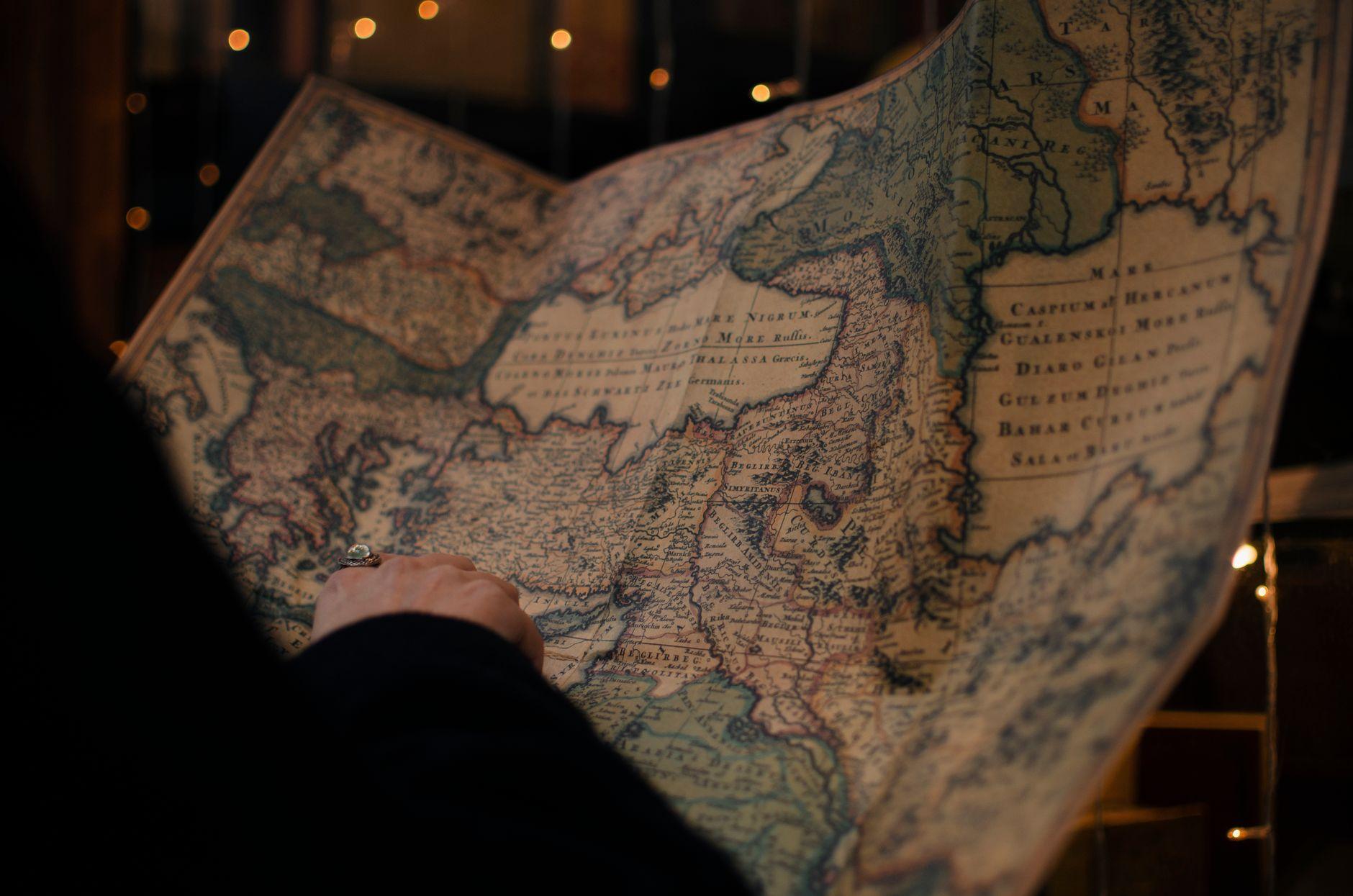
I’ve always been fascinated by how quickly information can spread today, but honestly, it’s nothing compared to what happened centuries ago. Think about the ancient trade routes, those arteries of commerce connecting distant lands. The Silk Road, for instance, wasn’t just about shuttling silk from East Asia to the Mediterranean; it was a superhighway for ideas, technologies, and even diseases. Imagine merchants, their camels laden with goods, also carrying religious texts, philosophical concepts, and agricultural innovations. It’s mind-boggling how a single caravan could inadvertently spark revolutions in thought or practice thousands of miles away.
It absolutely drove me nuts trying to explain this to someone the other day. They just couldn’t grasp it. They’d say, “But how did they know?” They knew because people talked! They traded stories alongside their wares. The spread of Buddhism from India into Central Asia and China, for example, wasn’t instantaneous. It trickled, then flowed, along these same paths. Monks and missionaries traveled, sharing scriptures and insights, patiently explaining their beliefs to anyone willing to listen. It’s a slow burn, not a viral tweet, but the impact was just as profound, if not more so.
Then there’s the maritime trade. Forget camels for a moment; think about ancient sailing ships traversing the Mediterranean, the Indian Ocean, and even venturing into the Atlantic. These vessels were floating incubators of culture. The Phoenicians, for their part, were instrumental in disseminating their alphabet, a foundational element for many Western scripts, across the Mediterranean world. This wasn’t a top-down decree; it was the practical necessity of trade, of marking goods and recording transactions, that led to the adoption and adaptation of their writing system.
This whole process, however, wasn’t always a smooth exchange of enlightenment. The spread of the Black Death in the 14th century is a stark, grim reminder of the downside. It traveled with terrifying speed along the very same trade routes that facilitated so much cultural exchange. Ships arriving in European ports carried not just precious cargo but also the deadly plague. It’s a powerful testament to how interconnectedness, while beneficial, also carries inherent risks, a vulnerability that persists even in our modern, seemingly more controlled world.
And let’s not forget the transfer of technologies. The papermaking process, originating in China, eventually made its way west along these trade networks. Before paper, writing was often done on more cumbersome materials like papyrus or parchment. Imagine the sheer efficiency gained when this relatively cheap and accessible writing material became available. It democratized knowledge in a way that’s hard to overstate, making books and records far more accessible to a wider range of people. This alone, I think, fundamentally altered the trajectory of human civilization.
The spice trade is another fantastic example. The demand for spices like pepper, cloves, and cinnamon drove incredible exploration and exchange. European powers, in particular, poured vast resources into establishing and controlling these routes, leading to centuries of exploration and, frankly, colonialism. The economic incentive was enormous, with spices being worth their weight in gold, but it wasn’t just about the pantry. These voyages also brought back new plants, agricultural techniques, and scientific knowledge from regions like Southeast Asia and India.
What’s truly astounding is the sheer ingenuity involved in navigating these routes. Early navigators, using rudimentary tools and a deep understanding of celestial navigation and wind patterns, managed to cross vast oceans. The discovery of the Americas, while a pivotal moment, was also a culmination of centuries of oceanic exploration fueled by the desire for trade and the routes that already existed. For a deeper dive into the history of maritime trade, you can check out resources from institutions like the Smithsonian National Museum of Natural History.
But here’s the kicker, the part that still boggles my mind: much of this idea diffusion was unintentional. A craftsman might show a technique to a fellow traveler out of curiosity, not with the aim of revolutionizing an industry on the other side of the world. A monk might share a parable, hoping to find common ground, not to initiate a global religious movement. It was the organic, messy, human element of connection that drove so much of this exchange. It’s a far cry from the deliberate, often corporate-driven, dissemination of information we see today. The ease with which we can now share anything from a cat meme to a complex scientific paper on platforms like Wikipedia is a direct descendant of those ancient merchants and travelers, though our motivations might be far less noble.
You know, the limitation of these ancient routes is that they were also incredibly slow and prone to disruption. A war, a natural disaster, or even a particularly harsh winter could sever crucial links for months or even years. This contrasts sharply with the instantaneity of the internet, though we’ve certainly seen how vulnerable our digital networks can be to outages or cyberattacks, as highlighted by reports from sources like NerdWallet. Still, the sheer resilience and persistence of human connection, driven by commerce and curiosity, over millennia is something we often forget in our rush for the next big thing. It makes you wonder if we’re actually more advanced, or just faster at spreading the same old viruses.