

Charting the Heavens with Naught But Wit and Wonder
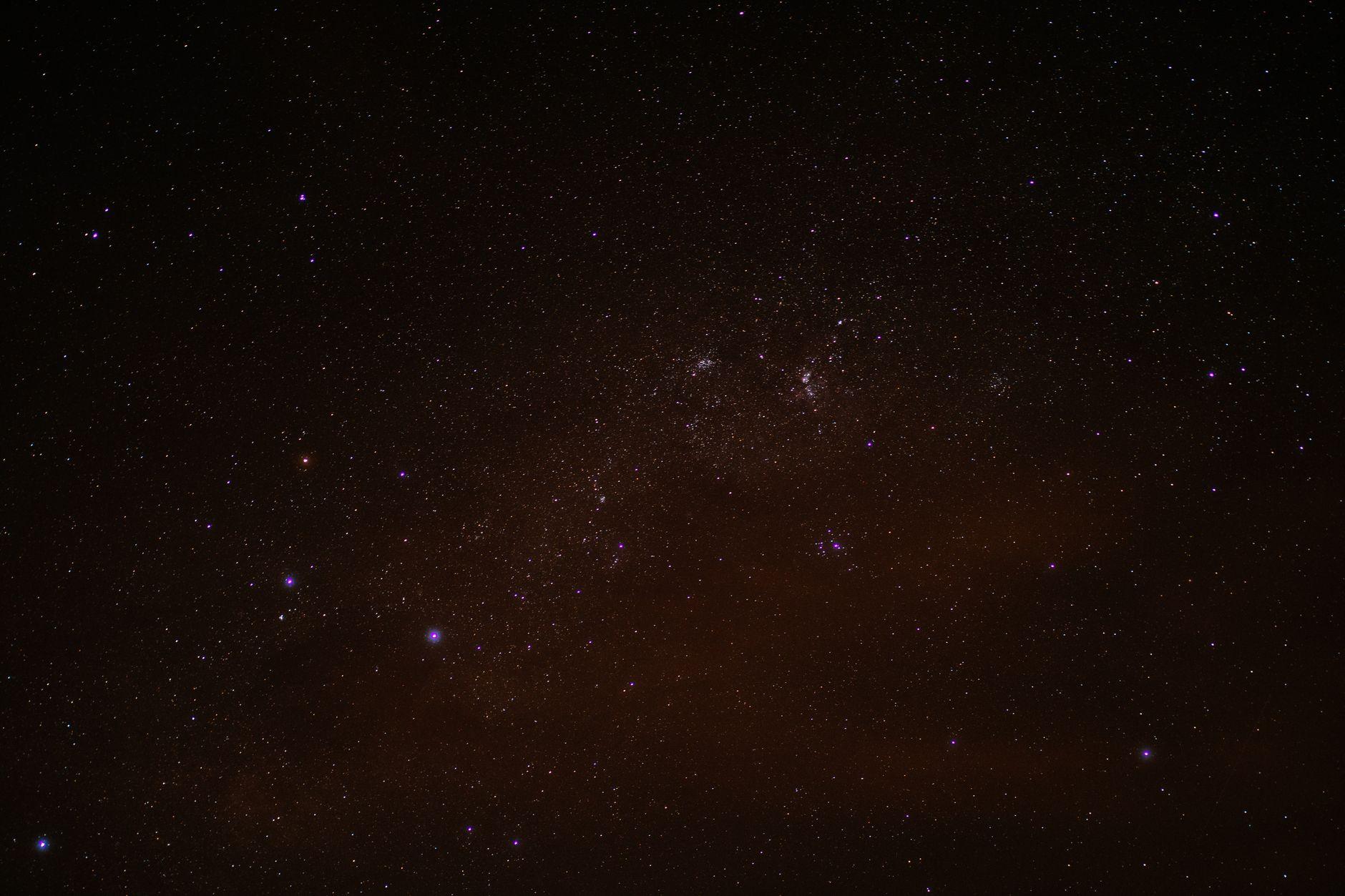
It’s genuinely mind-blowing to think about how ancient folks figured out the cosmos without a single telescope or even a basic calculator. They were out there, year after year, meticulously observing the same celestial ballet and somehow making sense of it all. I mean, picture yourself on a clear night, no light pollution anywhere, just you and the infinite. They’d spend hours, maybe even days, just watching how the stars moved across the sky. They didn’t have fancy star charts or GPS; their tools were patience, keen eyesight, and a whole lot of brainpower.
The Egyptians, for instance, were masters of this. They used methods like observing the heliacal rising of stars, which is basically when a particular star first becomes visible on the eastern horizon just before sunrise after a period of invisibility. This was super important for them, especially for tracking the Nile River’s flood cycle. They’d align their massive pyramids with cardinal directions, a feat that required a surprising level of astronomical precision. They figured out the solstices and equinoxes by watching the sun’s shadow. Imagine waiting for that one specific day when the shadow length was just right, all to mark the changing seasons.
The Greeks, oh boy, they really took things to another level. Eratosthenes famously calculated the circumference of the Earth with remarkable accuracy. He did this by comparing the angle of the sun’s rays at noon in two different cities, Syene and Alexandria, at the same time. If you can figure out the size of our planet just by looking at shadows and knowing a few distances, it makes you wonder what else they were capable of. It’s a simple concept, really, but the execution required careful measurement and a solid grasp of geometry.
Then you have the Babylonians, who were absolutely obsessive record-keepers of celestial events. They kept detailed logs of planetary movements, eclipses, and other phenomena over centuries. They developed sophisticated arithmetic systems and early forms of algebra to predict these events. They noticed patterns, like how Mercury would disappear and reappear, and they could actually predict when it would happen again. It’s this relentless cataloging that allowed them to build predictive models.
One of the biggest challenges, and honestly, it’s still frustrating to think about, was the sheer amount of time and effort involved in manual observation. No telescopes means you’re limited by your own vision. For dimmer stars or finer details, you’re just out of luck. They relied heavily on naked-eye observations, which obviously has its limitations. Imagine trying to track a faint comet or a subtle shift in a star’s brightness when you can barely see it. It’s like trying to win the lottery with just one ticket when everyone else has thousands.
The Polynesians are another incredible example, especially given their seafaring culture. They didn’t just navigate by stars; they had an entire mental map of the sky that guided them across vast stretches of the Pacific Ocean. They knew the rising and setting points of specific stars for different islands, using them like cosmic compasses. They even understood how the celestial equator and the ecliptic worked, allowing them to maintain their course over thousands of miles of open water. This wasn’t just guesswork; it was deeply ingrained knowledge passed down through generations, often through oral traditions and complex chanting. You can read more about their navigational techniques on the Polynesian Voyaging Society website.
Even without precise instruments, they developed ingenious methods for measuring angles. For example, they’d use their hand or finger widths held at arm’s length to estimate angles in the sky. A clenched fist, for instance, might represent about 10 degrees. This allowed them to measure the altitude of stars above the horizon or the angular separation between celestial bodies. It’s crude, sure, but when you’re consistent, you can build up a pretty good picture over time. This tactile approach to measurement is something we’ve largely lost. For a look at how they estimated distances, check out the historical methods discussed on Investopedia.
The biggest downside, really, is the lack of precision compared to modern astronomy. While they achieved incredible feats of observation and prediction, there were inherent limitations due to the tools they had. Small errors in observation, or the inability to see fainter objects, meant their models weren’t as perfect as ours. Take the precession of the equinoxes, for example, a phenomenon discovered by Hipparchus. He noticed that the stars’ positions seemed to have shifted over time compared to older records, and he correctly deduced that the Earth’s axis was slowly wobbling. But figuring out the exact rate of this wobble without precise instruments would have been incredibly difficult and prone to error. You can find more information on precession on Wikipedia.
Despite all these sophisticated methods, you’d still find variations in celestial models between different cultures. It’s not like they all sat down and agreed on the exact layout. What one culture considered a fundamental truth, another might have viewed differently, leading to distinct interpretations of the cosmos. It makes you wonder if maybe they weren’t actually mapping the sky, but just drawing their own versions of what they wished was up there.